Inside the City Intelligence Index: How We Score 208 Markets the Same Way, Every Time
Two in five of 155 scored venue markets come back Hold or No Go. Inside the City Intelligence Index — one scoring model across 208 cities, and why consistency, not depth, is the actual product.
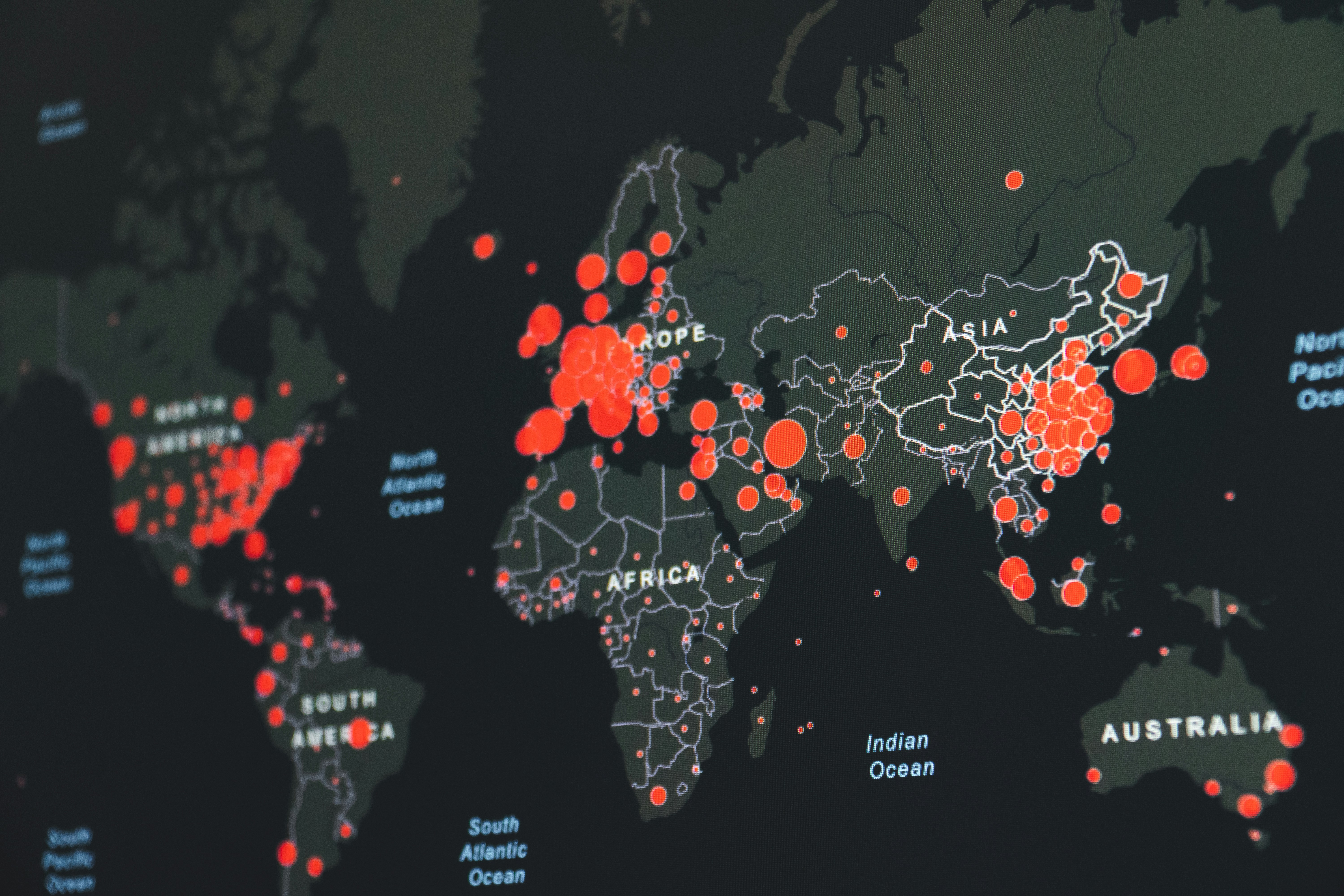
The hardest part of comparing expansion markets isn't finding data on any one city. It's finding data on every city that was gathered, weighted and scored the same way — so that a comparison between London and Lagos means something, instead of comparing one analyst's confident opinion about London to a different analyst's cautious one about Lagos.
What the Index actually is
The City Intelligence Index is a live, comparable scoring model run across 208 global markets — 154 in the core index plus a further set of leisure, resort and heritage cities added for the hotel vertical — spanning seven regions: UK, USA, Europe, Asia-Pacific, Middle East, the wider Americas, and Africa. Every city in it gets the same treatment: a demand score, an opportunity score, a competitive-density read, and a Strong Go / Conditional Go / Hold / No Go verdict, built from the same rubric regardless of which market it's assessing.
Anyone can commission a bespoke feasibility study on one city. What's structurally harder to obtain is the same rigour applied identically across every city on a shortlist — and, more importantly, an answer that is willing to come back negative.
How the numbers hold together
Demand and opportunity are scored separately, on purpose. A city can have enormous demand and still be a poor opportunity, if the competitive set has already closed the gap. Collapsing those into a single number hides exactly the distinction that matters most for a positioning decision.
Capacity is measured against fixed bands, not a floating scale. Every city's demand-versus-supply read is benchmarked against the same five delegate-capacity bands — from small (up to 20 delegates) through to 500+ — so that "strong mid-market demand" means the same thing whether you're reading it for Manchester or Manila.
Every score carries a rationale, not just a number. A demand score of 74 is close to meaningless without knowing what's driving it — sector mix, demand trajectory, named risks. The Index surfaces that reasoning alongside every figure, so a reviewer can interrogate the number rather than just accept or reject it wholesale.
What "living" actually means for the data
A static index goes stale the moment market conditions shift — which is most of the reason bespoke feasibility studies get commissioned fresh for every decision rather than reused. Nobody trusts a comparison built on two-year-old numbers.
The Index is built on the opposite assumption. Coverage refreshes on a defined cycle, and a stale or missing read for any city and category is visible as such, never silently presented as current. Knowing what's fresh, what's stale and what's not yet covered is worth as much as any individual score: it's the difference between a shortlist you can defend under scrutiny and one that quietly rests on data nobody has checked in eighteen months.
The most important thing about the output: most of it is negative
The clearest signal that an index is doing analytical work rather than marketing work is the shape of its results. Here is the actual verdict distribution across 155 scored venue markets:
| Verdict | Cities | Share |
|---|---|---|
| Conditional Go | 62 | 40.0% |
| No Go | 58 | 37.4% |
| Strong Go | 30 | 19.4% |
| Hold | 5 | 3.2% |
Two markets in five — 63 of 155 cities — come back Hold or No Go, and No Go alone outnumbers the top verdict nearly two to one. The model is explicitly instructed not to reach for Conditional Go as a comfortable middle when the evidence supports a harder answer.
This is worth dwelling on, because it's the opposite of the commercial incentive. An index that told every operator their shortlist was full of opportunity would be far easier to sell and completely worthless — it would simply be returning the enthusiasm the client arrived with. The distribution is the credibility: a verdict that can come back No Go is the only kind whose Strong Go means anything.
It also means the honest use of the Index is often subtractive. For most operators, the highest-value output isn't discovering a new market — it's the defensible removal of three cities from a shortlist of five, before anyone spends six figures on feasibility work for a market the data was never going to support.
The Index is never finished
New markets and new verticals get added as coverage expands — hotels and restaurants now sit alongside the original venue coverage, each scored against what actually drives demand in that category rather than a single generic rubric stretched to fit. A fixed, one-time reference would start decaying the day it shipped.
The takeaway
The test to apply to any market-intelligence source, ours included, is simple: when did it last tell you not to do something you wanted to do? A process that has never returned an inconvenient answer isn't providing analysis; it's providing cover. Book a demo and we'll run the Index live against the markets you're weighing — including, if the numbers say so, the ones you were hoping it would endorse.
See this run on the markets you’re actually weighing.
A short live session on your shortlist — we run the engine on the call and you keep the output.
Book a demo